Securing Industrial Modernization Without Operational Risk
SecurePlane.io specializes in protecting industrial environments at the point where operational technology connects to cloud platforms and software-driven systems—enabling modernization without compromising safety, uptime, or compliance.sollicitudin
Where OT Meets Software-Driven Infrastructure
Industrial environments are increasingly integrating cloud platforms, analytics, and software-defined systems to improve efficiency and visibility. This transition introduces new cyber risks that traditional OT or IT security approaches alone are not equipped to manage.
SecurePlane.io focuses on this exact boundary—where legacy OT systems interface with modern, software-driven infrastructure—ensuring modernization efforts remain safe, controlled, and operationally viable.

How We Reduce OT Risk Without Disrupting Operations
These architectures are increasingly critical as AI agents and analytics platforms consume OT data—requiring strict separation between insight generation and operational control.
OT Asset Visibility & Risk Baseline
Establish clear visibility into OT assets, communication paths, and exposure—without intrusive scanning or unsafe changes.
Secure OT-to-Cloud Integration
Design secure pathways between OT environments and cloud platforms that respect industrial safety and reliability constraints.
Vendor-Neutral Architecture Design
Vendor-neutral designs prevent over-dependence on opaque AI platforms while preserving operator authority and auditability.
Incremental Modernization Strategy
Enable phased modernization that minimizes downtime, avoids unsafe change windows, and preserves operational continuity.
Compliance-Aligned Security Controls
Align security design and implementation with IEC 62443, NIST CSF, and regulatory expectations. Controls are designed to remain auditable even when AI systems are introduced into monitoring, analysis or decision-support workflows.
Incident Readiness for Hybrid Environments
Prepare for cyber incidents with clear detection, response, and recovery strategies that account for OT realities.
How We Engage
A structured engagement model designed for live industrial environments
Rapid Orientation
Establish operational context, safety constraints, and system boundaries before any technical activity begins. This phase focuses on understanding how the environment operates, not introducing change.
Environment Assessment
Assess OT assets, communication paths, and integration risks using non-intrusive methods. Findings are validated with operations and engineering teams to ensure accuracy and practicality.
Controlled Pilot
Validate security controls or architectural changes within a limited, operationally safe scope. Pilots are designed to validate operational and security outcomes without introducing instability or production risk.
Phased Expansion
Scale improvements incrementally based on operational readiness, site conditions, and organizational priorities. Expansion timelines are aligned with maintenance windows and safety requirements.
Engagement scope, duration, and commercial structure depend on operational complexity, safety constraints, and site-specific requirements.
Login
Go to Website
Modern Security Controls, Applied with Industrial Discipline
Where appropriate, SecuPlane applies modern security engineering practices to support scalable and consistent protection across hybrid environments.
These capabilities may include cloud-native security platforms, policy-driven enforcement, and automation—used carefully and selectively to support OT modernization goals rather than dictate them.
Our focus is not on deploying tools for their own sake, but on designing security control planes that integrate OT, IT, and cloud environments while preserving operational safety and reliability.
Tools serve the architecture.
Operations define the constraints.
Safety and uptime remain non-negotiable.
What Organizations Gain
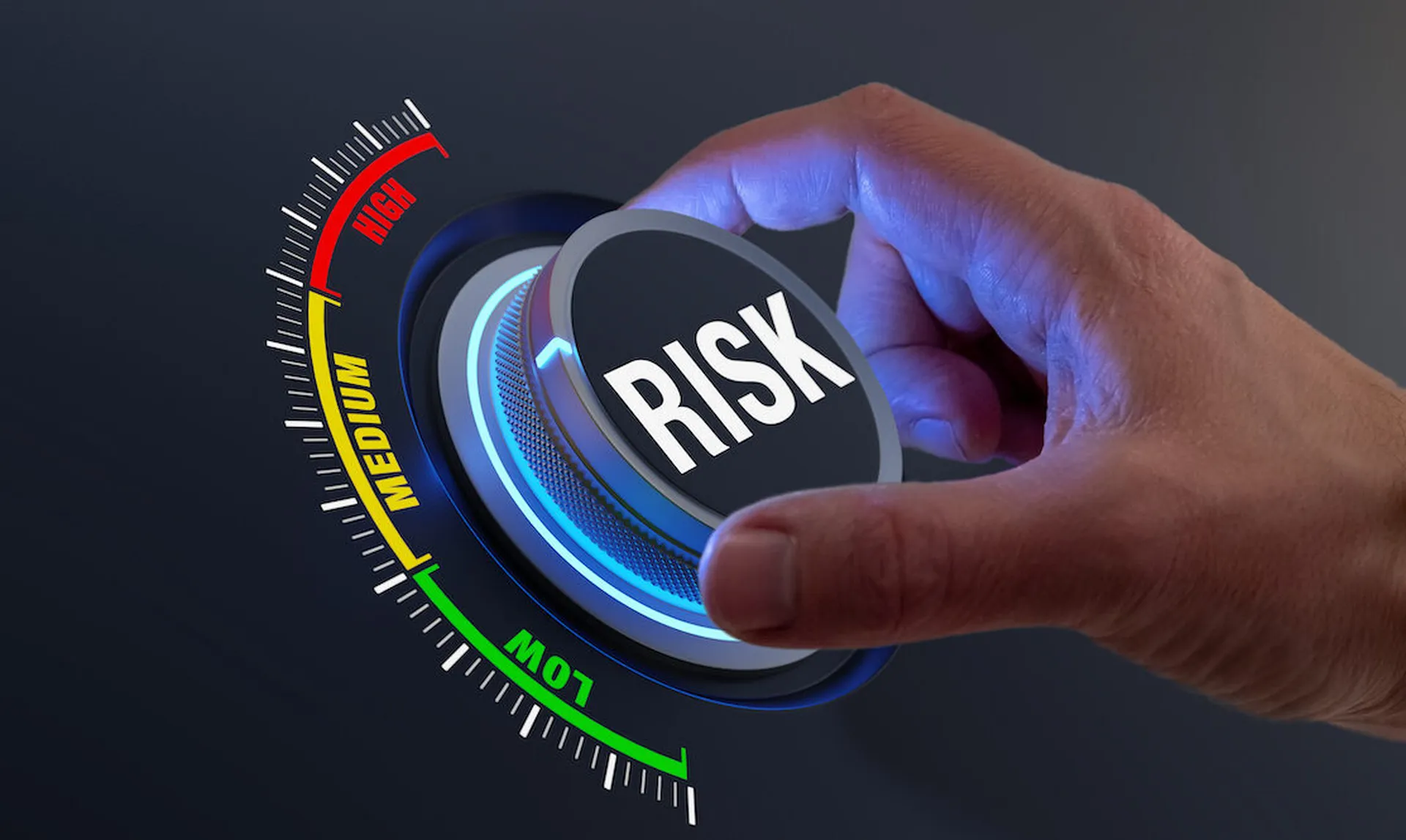
Reduced Cyber Risk Without Production Impact
Security improvements are designed and implemented within existing operational constraints—preserving safety, uptime, and process integrity while reducing exposure across OT, IT, and cloud boundaries.
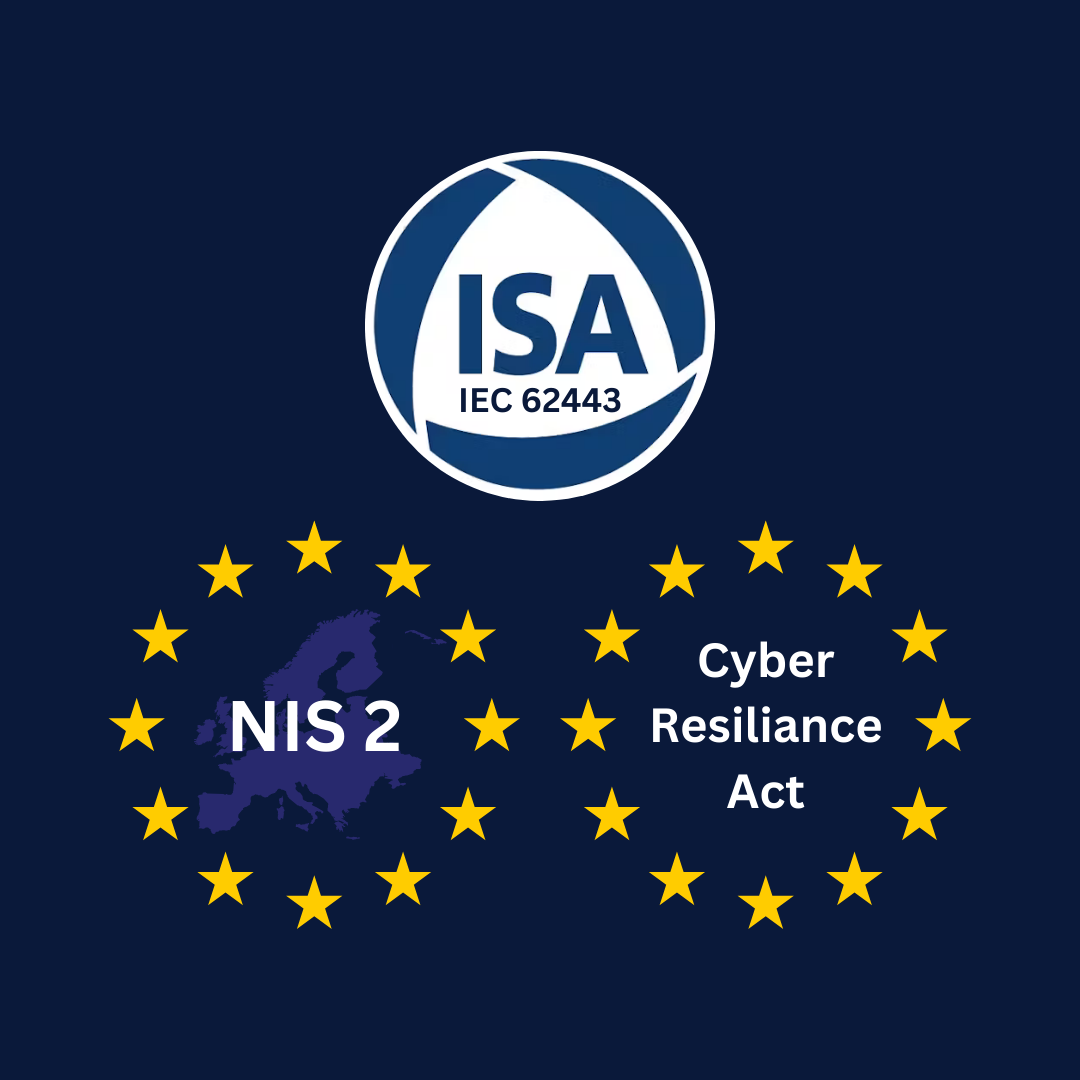
Audit-Ready Architectures Aligned to OT Standards
Architectures, controls, and documentation aligned with IEC 62443, NERC CIP, and NIST CSF—supporting audits, regulatory reviews, and executive assurance without last-minute remediation.
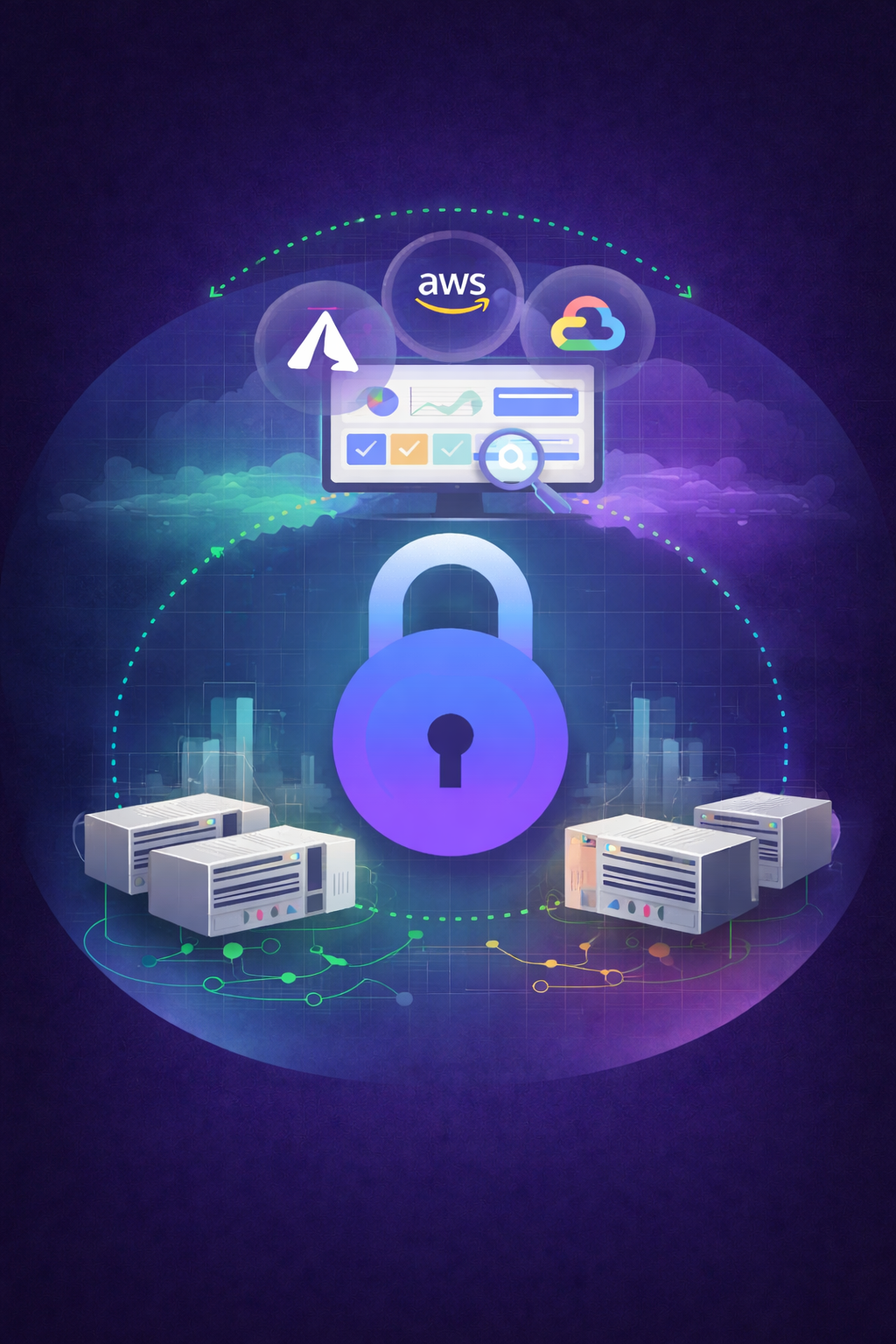
AI-Ready OT–Cloud Integration
Design controlled data flows between OT and cloud platforms that support analytics, monitoring, and AI-driven insights—without expanding blast radius, violating safety constraints, or compromising auditability.

Operationally Safe Incident Readiness
Clear segmentation, visibility, and response paths that support incident containment and investigation—without introducing unsafe actions or uncontrolled system changes.